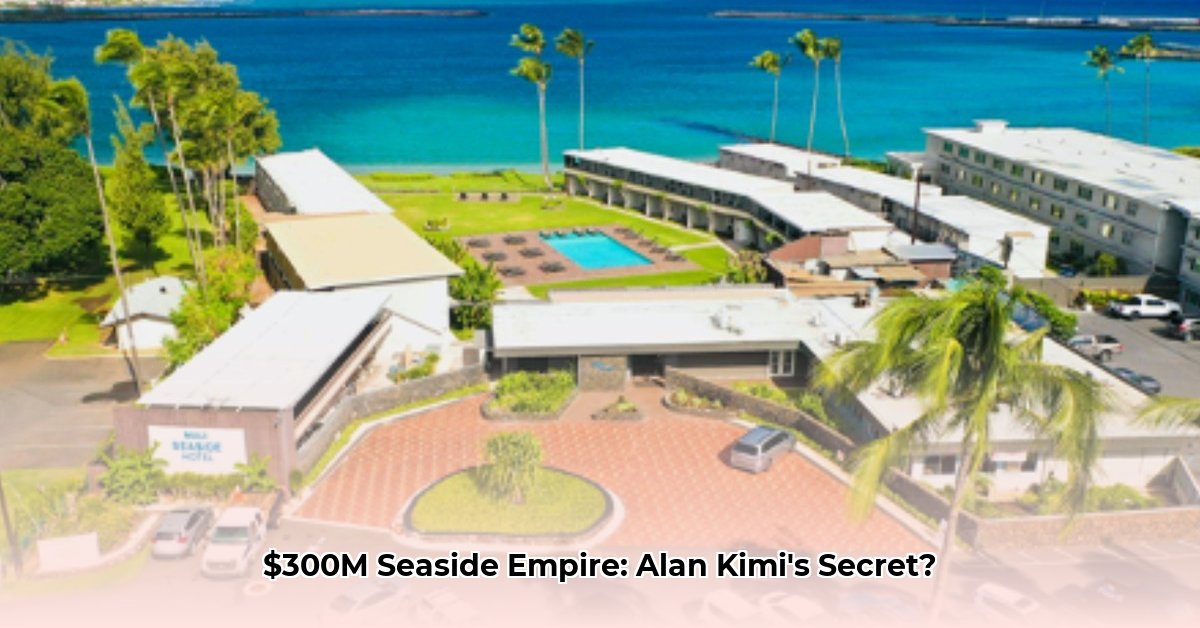
Alan Kimi's journey from aspiring hotelier to owner of a multi-million dollar seaside hotel empire exemplifies strategic vision and operational excellence within the luxury hospitality sector. This case study explores the key factors contributing to his remarkable success, analyzing his business model, financial strategies, and future prospects. While precise figures regarding his net worth remain elusive, ranging from estimates of $300 million to over $1 billion, the scale of his accomplishment is undeniable.
Strategic Location and Brand Positioning: The Foundation of Success
Kimi’s success hinges on a meticulous selection of prime coastal locations. His hotels are not merely situated by the sea; they occupy highly desirable spots within bustling tourist hotspots, boasting breathtaking views and easy access to local attractions. This strategic positioning directly translates into higher average daily rates (ADR) and consistently high occupancy rates, forming the bedrock of his financial success. Consider the significant difference in profitability between a hotel tucked away on a quiet backstreet and one front and center on a vibrant beach promenade. This isn't just about aesthetics; it's about maximizing revenue potential. But location alone doesn't guarantee success. Kimi has also cultivated a strong luxury brand, synonymous with exclusivity, impeccable service, and unforgettable experiences. This commitment to luxury allows for premium pricing, significantly enhancing profitability. The brand promises, and consistently delivers, a refined experience that attracts a clientele willing to pay a premium for an exceptional stay.
Operational Excellence and Service: The Human Touch Meets Smart Technology
Kimi's hotels are not simply about luxury accommodations; they're about providing exceptional service. He invests heavily in staff training, fostering a dedicated team committed to delivering outstanding guest experiences. These employees act as brand ambassadors, embodying the values and high standards of the Kimi brand. This commitment to personalized service is augmented by smart technology integration – seamless online booking systems, efficient check-in/check-out processes, and personalized in-room technology, all adding convenience and enhancing the guest's stay. This blend of personal care and technological efficiency streamlines operations, boosts guest satisfaction, and fuels positive word-of-mouth marketing – vital elements in his success. How does this human element translate into quantifiable results? High customer satisfaction scores, consistently positive online reviews, and the resulting return clientele all contribute significantly to the hotel's bottom line. This proves the investment in exceptional service is not just a cost but a crucial revenue generator.
Financial Performance and Business Acumen: Growth, Prudence, and Adaptability
While specific financial data is limited due to the private nature of Kimi’s holdings, his rapid growth suggests shrewd financial management and a balanced investment strategy. His expansion likely involves a blend of organic growth – carefully adding new hotels to his portfolio – and strategic acquisitions. These decisions are grounded in rigorous market research and a keen understanding of investment opportunities. Reports suggest that his financial decisions have been astute, resulting in steady growth and increasing profitability. Moreover, a cautious approach to financial management likely allows for strong reserves to weather economic downturns, ensuring long-term sustainability. Isn't it fascinating how such a seemingly simple strategy—financial prudence—can contribute to such massive success? Indeed, this aspect of Kimi’s approach is a key lesson for any aspiring entrepreneur.
Challenges and Future Prospects: Navigating the Ever-Changing Landscape
The hospitality industry is dynamic, facing constant challenges such as economic fluctuations, intensified competition, and evolving regulatory environments. Kimi’s ability to adapt to these changes will determine his long-term success. Potential future strategies might include diversification into related sectors or exploring new market segments. Furthermore, the growing importance of sustainable practices in the travel industry presents both an opportunity and a responsibility. Luxury travelers are increasingly eco-conscious, favoring hotels that demonstrate a commitment to environmental responsibility. Embracing sustainable practices not only aligns with ethical concerns but also serves as a powerful marketing advantage, attracting environmentally conscious high-spending clientele.
Conclusion: A Masterclass in Luxury Hospitality
Alan Kimi's success story transcends mere financial achievement; it is a masterclass in strategic business development within the luxury hospitality sector. His journey exemplifies the power of combining strategic location selection, strong branding, exceptional service, and astute financial management. This case study underscores that sustainable success in the competitive world of luxury hospitality necessitates vision, dedication, and a willingness to adapt and innovate. The lessons learned from Kimi's approach hold value for aspiring entrepreneurs and established businesses alike, highlighting the critical role of adaptability and unwavering commitment to excellence.